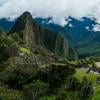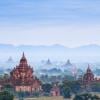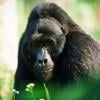
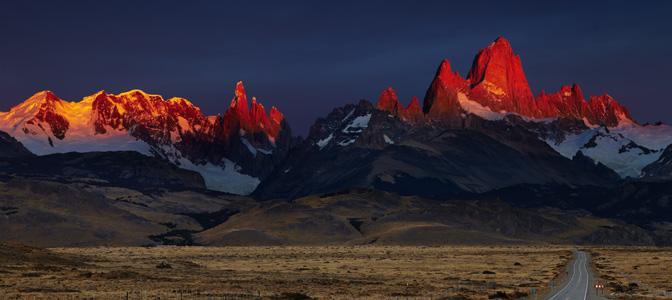
 Honeymoon time? Here at Global Basecamps, we’re always looking for an excuse to try new things in exciting places around the world. For some intrepid travelers, the idea of lounging on a white sandy beach and sipping Mai Tai's sounds dreadfully boring. It’s memories you’re looking for, right? We’ve scoured our featured destinations and compiled a list of five delightfully adventurous and unique honeymoon ideas to inspire the explorer inside you. First up, colorful Argentina.
Recent Posts
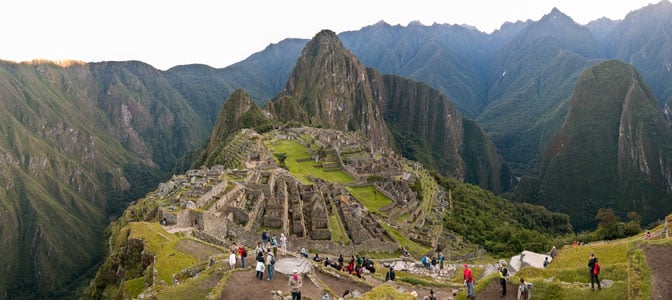
Rebecca is a Global Basecamps MVP traveler who has trekked all over the world and back again. Having gained knowledge and experience packing for her various treks, she was kind enough to offer her tips for future travelers! In our "Packing for Treks" series, Rebecca will give general tips, as well as destination-specific tips for Nepal, Tanzania and Peru!
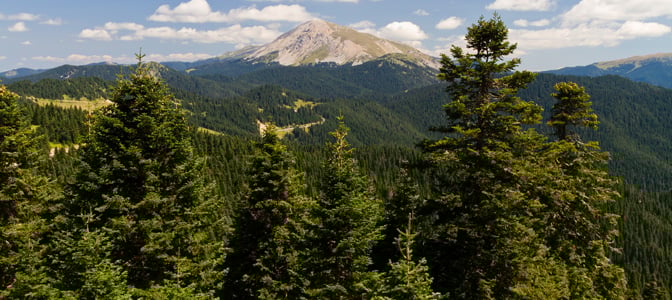
Our super-intern Sean assisted in conducting research on a fascinating subject during his study abroad program: Well-being. Following is a report to Global Basecamps travelers about his experience.
I was in Turkey to explore the effect that tourism can have on the well-being of a local population. What does "well-being" really mean though? Basically well-being can be seen as a measure of how happy people are with their government, family, work, their play, and really their lives. So, the question at the heart of my trip was: “How can sustainable tourism increase the well-being of locals?” The trip shed light on the impacts that tourism has on the happiness of both travelers and the people they interact with on their trips.
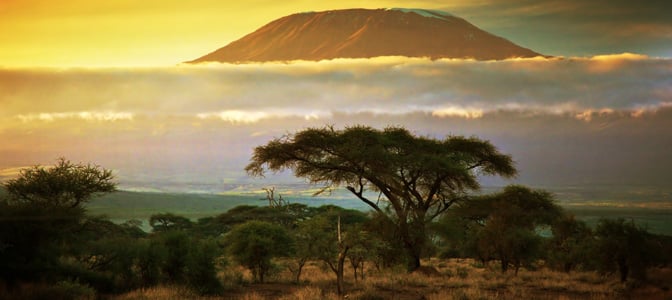
Rebecca is a Global Basecamps MVP traveler who has trekked all over the world and back again. Having gained knowledge and experience packing for her various treks, she was kind enough to offer her tips for future travelers! In our "Packing for Treks" series, Rebecca will give general tips, as well as destination-specific tips for Nepal, Tanzania and Peru!
If you have decided to scale the heights of Kilimanjaro, and are determined to reach Uhuru Peak, there is much to ponder when selecting your gear. Remember your gear is either coming with you to the summit or will help get your there, or alternatively, help get you back down.
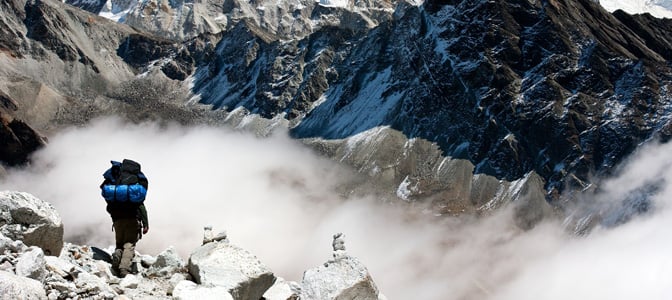
Rebecca is a Global Basecamps MVP traveler who has trekked all over the world and back again. Having gained knowledge and experience packing for her various treks, she was kind enough to offer her tips for future travelers! In our "Packing for Treks" series, Rebecca will give general tips, as well as destination-specific tips for Nepal, Tanzania and Peru!