South Africa does not merely possess weather; it possesses moods. It is a country where the geography dictates the rules, stretching from the subtropical humidity of the east and the peaks of the Drakensberg to the Mediterranean breezes of the west, separated by a vast, arid interior. Because of this diversity, the "best" time to visit is not a single date on a calendar or a specific best month by month breakdown, but a strategic choice aligned with your specific desires. Are you chasing the roar of a lion under a parched winter sun, or the perfect barrel of a wave in the Atlantic?
A Land of Contrasting Seasons
Most travel planning involves connecting the dots between museums and monuments. In Norway, the "dots" are often secondary to the space between them. The journey itself is the attraction. This means your traditional "map" needs to account for verticality and water.
A "different map" means understanding that 100 miles in the interior of Norway is not the same as 100 miles on an Interstate. You are dealing with the world’s most rugged coastline. To plan effectively, you have to stop thinking about how to get somewhere and start thinking about how to experience the transition. Professional planning here involves layering weather patterns, ferry schedules, and seasonal road closures into a cohesive strategy. We aren't just looking for the shortest route; we are looking for the most impactful one.
Why Timing is Your Most Important Travel Companion
Why does timing matter more here than in many other destinations? Because South Africa’s highlights are fundamentally tied to the natural world. If you arrive in Cape Town in July expecting a beach holiday, you will be met with horizontal rain and gale-force winds. Conversely, if you head to the Kruger National Park in January expecting easy animal sightings, you may find yourself staring at a wall of impenetrable green foliage. Timing is the difference between seeing the world and merely looking at it. It influences your budget, your safety, and the very color of your photographs.
Ready to experience South Africa at the perfect time for your travel style? Global Basecamps can help you design a fully custom South Africa itinerary tailored to the experiences you want most.
👉 Start Planning Your South Africa Journey
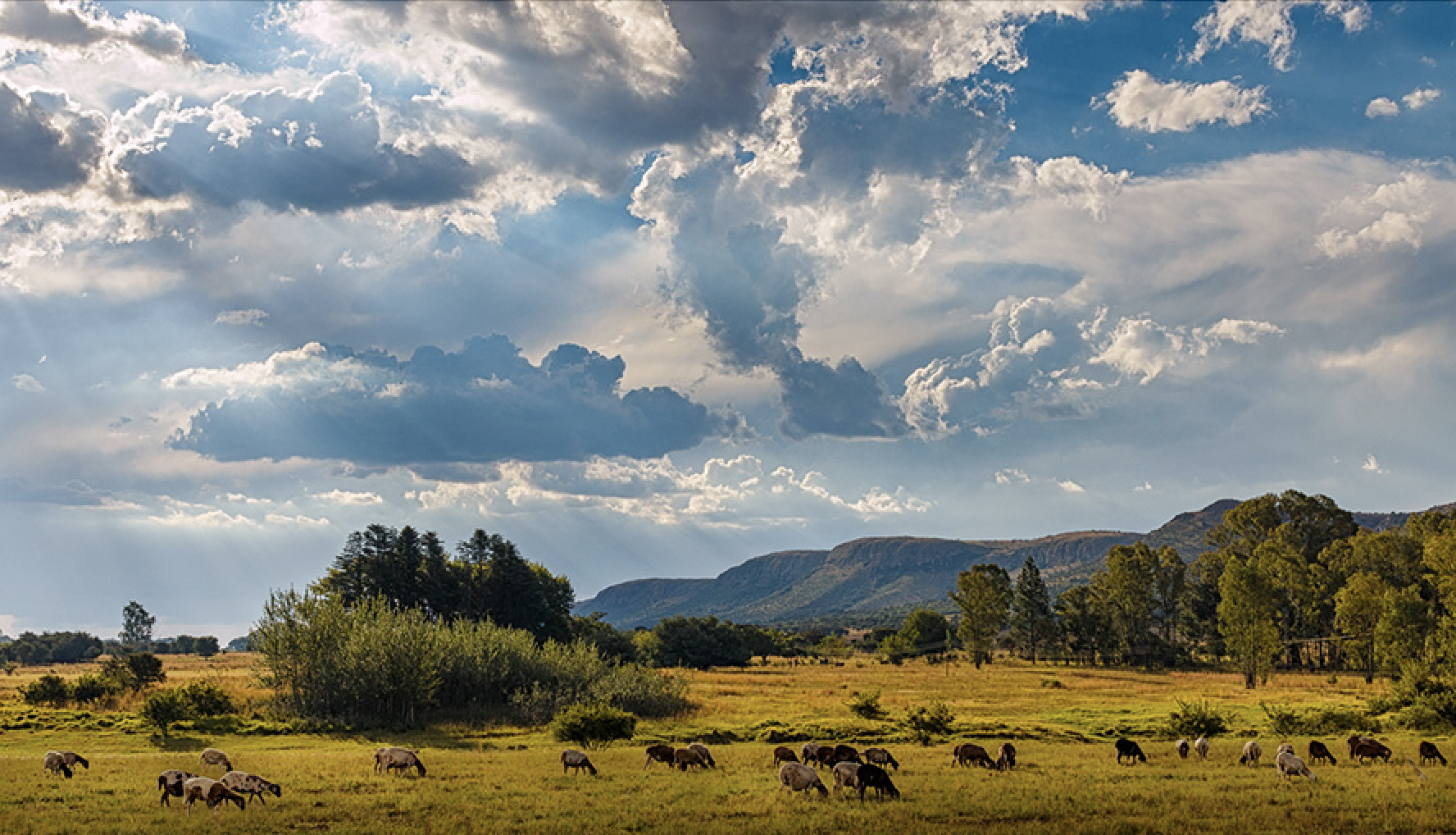
Scenic South African valley, where grazing wildlife and golden meadows sit beneath dramatic cloud-filled skies.
Understanding South Africa’s Inverted Seasons
For those traveling from the Northern Hemisphere, the first mental hurdle is the seasonal flip. When the north freezes, the south bakes. When Europe enters its spring, South Africa prepares for the golden hues of autumn.
The Summer Surge (November to February)
During these summer months, much of South Africa comes alive with warm temperatures, long days, and a vibrant holiday atmosphere. However, it’s important to understand that "peak season" means different things depending on where you are in the country.
In destinations like Cape Town, the Winelands, and along much of the Western Cape coastline, this is the height of both international and domestic tourism. Local school holidays coincide with the festive season, beaches fill up, restaurants book out weeks in advance, and accommodation demand reaches its peak.
Safari regions tell a different story. While summer brings lush landscapes, newborn wildlife, and excellent birdwatching opportunities, it is not considered peak safari season. The vegetation becomes denser, making wildlife slightly harder to spot, and afternoon thunderstorms are common throughout many safari areas.
Expect temperatures to regularly climb above 30°C (86°F), particularly in the interior. Travelers visiting during this period should plan well ahead for Cape Town and coastal destinations, while safari availability is often somewhat easier to secure than during the dry winter months.
The Gentle Autumn (March to May)
If South Africa had a "sweet spot," this would be it. The blistering heat of summer wanes into a mellow, golden warmth. The wind dies down in the Western Cape, and the bushveld in the north remains lush but starts to thin. It is a period of transition, offering a calm stability that is perfect for cross-country road trips.
The Crisp Winter (June to August)
Many travelers hear "winter" and assume cold weather throughout South Africa. The reality is much more nuanced.
While early mornings and evenings on safari can be surprisingly chilly - sometimes requiring blankets, beanies, and a warm jacket - daytime temperatures often warm up beautifully under clear blue skies. In many safari regions, temperatures can climb into the 70s°F (20s°C) by midday.
This is why layering becomes essential. You'll likely start your morning game drive bundled up, shed layers throughout the day, and reach for them again as the sun begins to set.
Winter is also when many safari destinations truly shine. Vegetation thins out, water sources become concentrated, and wildlife viewing reaches its peak. At the same time, Cape Town enters its rainy season, creating a completely different experience in the Western Cape.
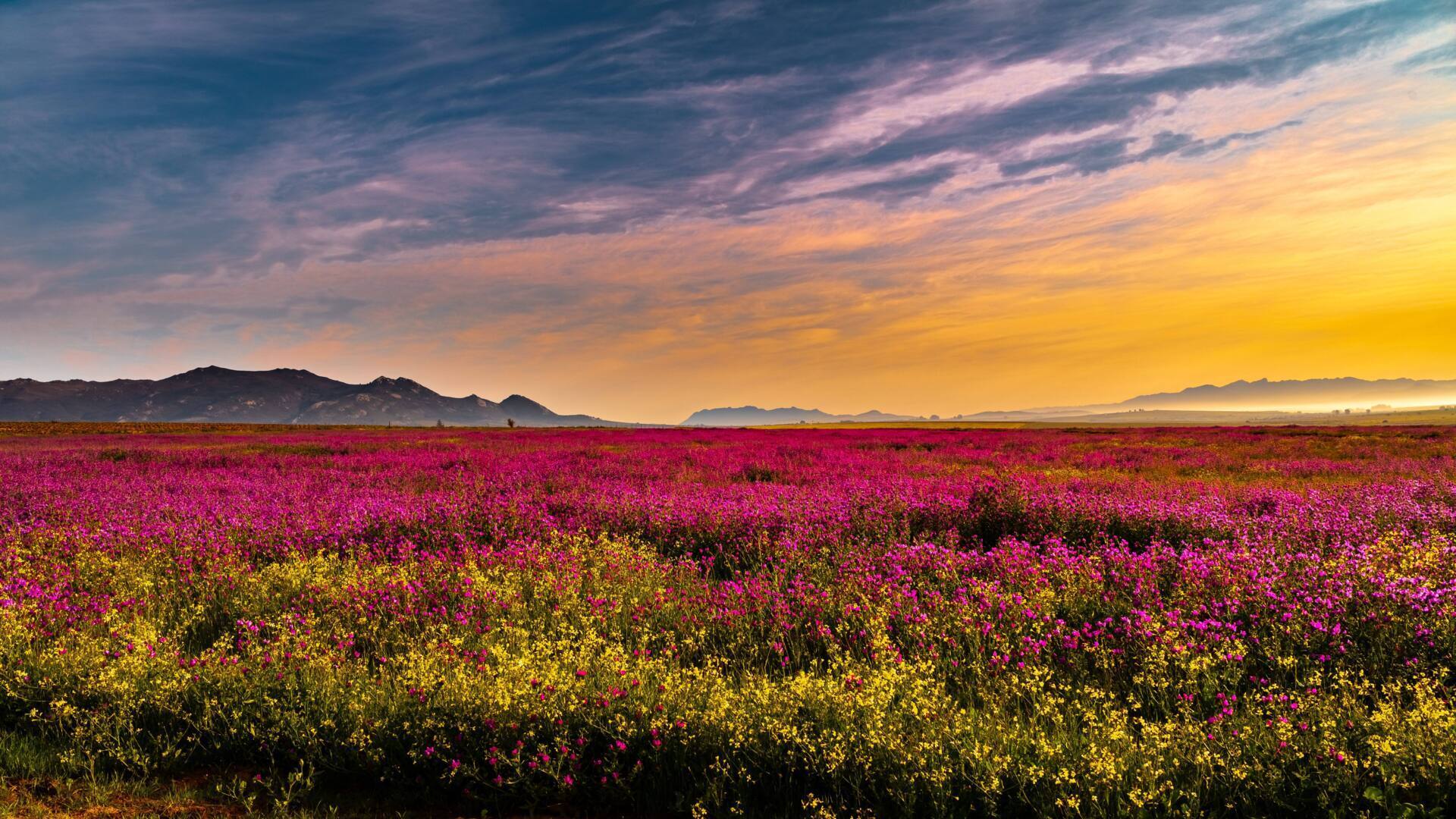
South Africa’s West Coast, where vibrant wildflower blooms transform the landscape into a colorful sea of pink and yellow.
The Floral Spring (September to October)
Spring is a brief, spectacular explosion. In the Northern Cape, specifically the West Coast and Namaqualand, the desert floor is carpeted in millions of wildflowers. In the game reserves, this is "lambing season," where the bush is filled with wobbly-legged fawns, cubs, and exceptional opportunities for bird watching. The air carries a sense of renewal, and the temperatures are comfortably moderate before the summer heat returns.
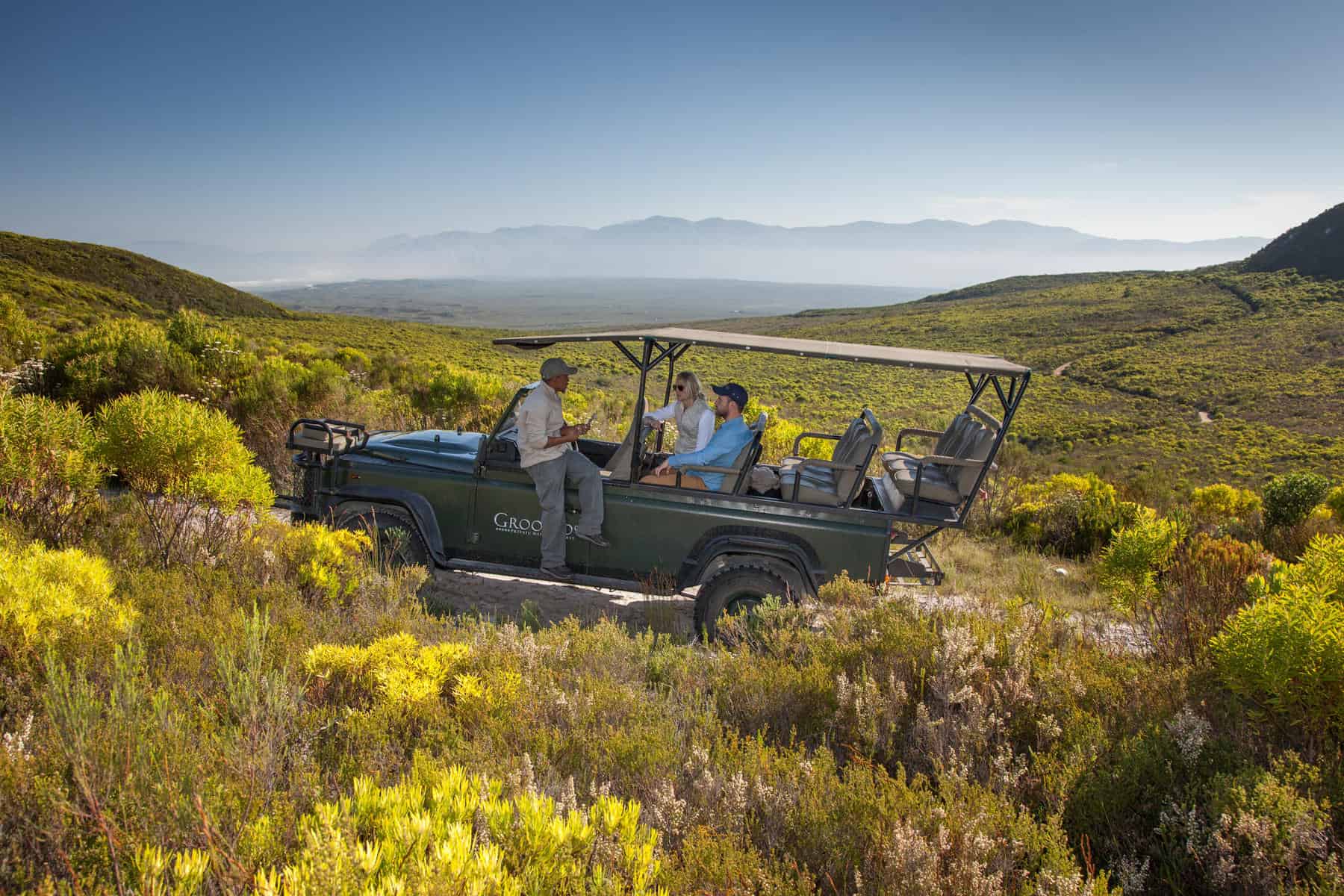
View of Grootbos Nature Reserve, South Africa, where guided nature safaris reveal sweeping landscapes covered in vegetation.
The Gold Standard: Best Time for a Safari
For many, South Africa is synonymous with the safari. To see the Big Five - lion, leopard, rhino, elephant, and buffalo - you must understand the relationship between water and survival.
Why the Dry Season is King in Kruger and Beyond
May to September is the undisputed champion for wildlife and game viewing. As the rains vanish, the landscape thins out. The grass dies back, and the thickets lose their leaves, stripping away the hiding places of the predators. Most importantly, water becomes a scarce commodity. Animals are forced to congregate around permanent waterholes. Instead of searching for the wildlife, you simply wait for the wildlife to come to you.
What to Expect on a Winter Game Drive
Be prepared for dramatic temperature swings throughout the day. Early mornings often begin with steaming coffee, blankets, and crisp air as you head into the bush before sunrise.
But this isn't an all-day cold-weather experience.
As the sun climbs higher, temperatures rise quickly, and many travelers find themselves in short sleeves by lunchtime. This combination of cool mornings and warm afternoons is one reason we always recommend packing light layers for safari.
The rewards for those early wake-up calls are significant: excellent wildlife visibility, active predators, comfortable daytime temperatures, and some of the best game-viewing conditions of the year.
Looking for a safari experience that feels more remote and immersive? Our Wild & Remote South Africa Safari journey combines exceptional wildlife viewing with secluded camps, dramatic landscapes, and expertly guided experiences far beyond the traditional safari route!
Looking for a safari experience that feels more remote and immersive? Our Wild & Remote South Africa Safari journey combines exceptional wildlife viewing with secluded camps, dramatic landscapes, and expertly guided experiences far beyond the traditional safari route!
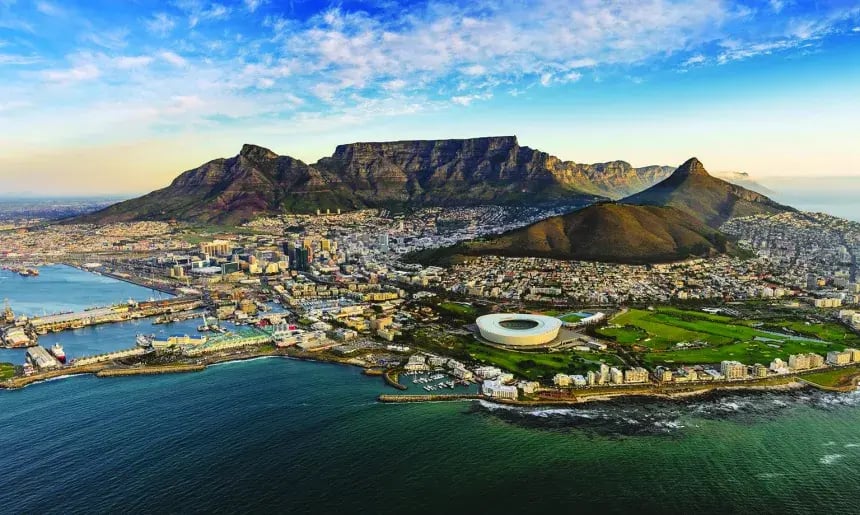
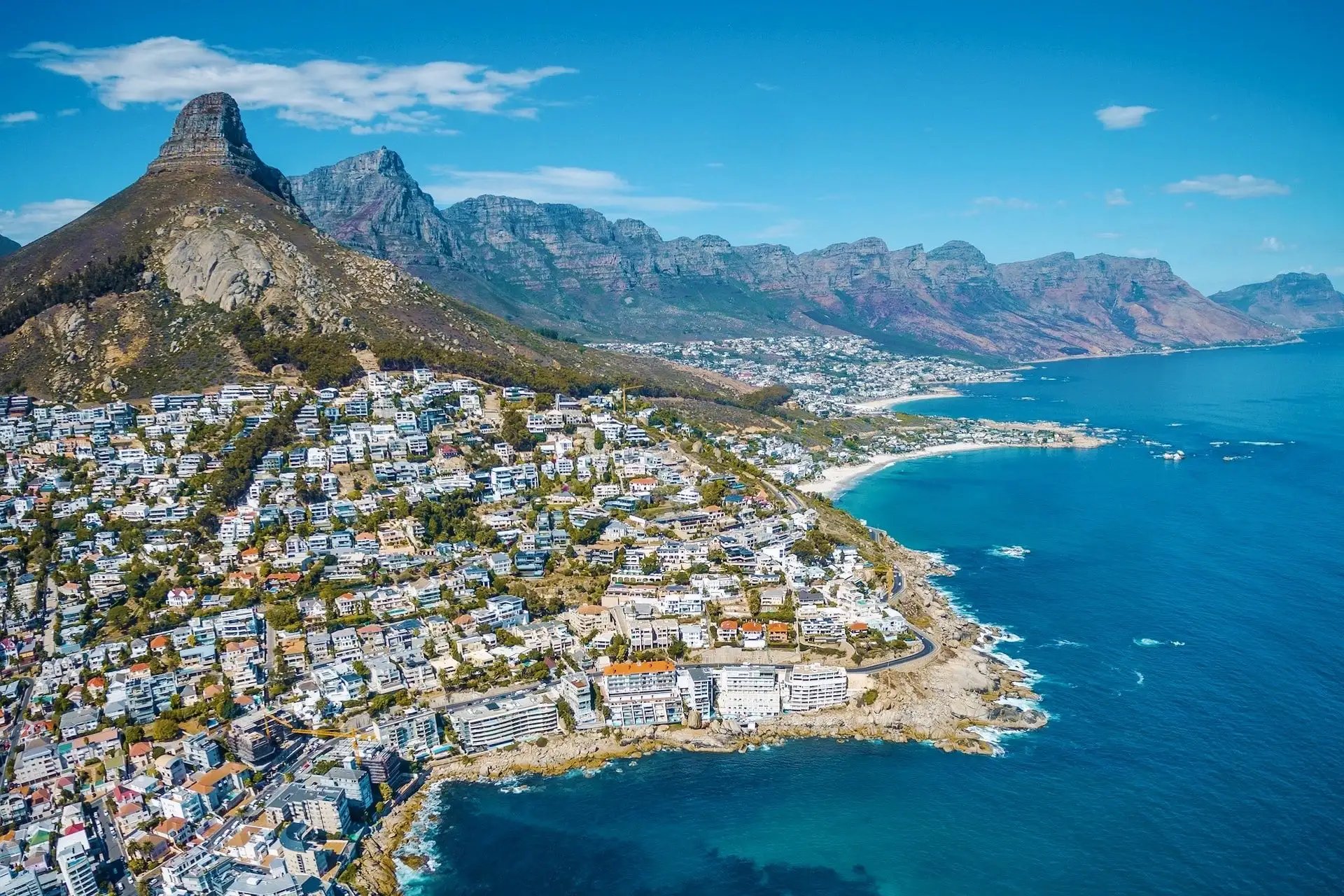
Cape Town, South Africa, where dramatic mountain peaks rise above pristine beaches and sparkling Atlantic waters.
Chasing the Sun: Best Time for Cape Town and the Coast
Cape Town follows a different rhythm than the rest of the country. It operates on a Mediterranean climate, meaning its winters are wet and its summers are dry.
Peak Summer: Beaches, Festivals, and the South Easter Wind
December and January are glorious in the Mother City. The sun stays up late, outdoor dining thrives, and the city buzzes with energy.
However, travelers should know that Cape Town's beaches can be deceiving. While they are undeniably beautiful, many are influenced by the cold Atlantic Ocean, strong currents, and rapidly changing conditions. Beaches such as Camps Bay and Clifton are often enjoyed more for their scenery and atmosphere than for extended swimming.
Travelers seeking warmer water and more traditional beach holidays often gravitate toward South Africa's east coast, including Durban, the Wild Coast, and portions of the Eastern Cape, where the warmer Indian Ocean creates far more comfortable swimming conditions.
The famous "South Easter" wind also makes regular appearances during summer, helping keep the city cool but occasionally turning beach days into a battle against blowing sand.
The Secret Season: Why April and May Offer the Best Balance
Ask any local, and they will tell you: Autumn is the best time for Cape Town. The wind drops, the crowds vanish, and the days are characterized by "glassy" conditions - perfect for hiking Table Mountain or exploring the Winelands. The light takes on a rich, amber quality that is a photographer's dream.
Navigating the Winter Rain in the Mother City
From June to August, Cape Town becomes cozy. It is a time for red wine by a fireplace in Stellenbosch and the Cape Winelands rather than surfing at Muizenberg. While you may get lucky with a week of "Berg winds" (warm, dry winds from the interior), you should generally expect gray skies. If you visit now, pack a high-quality waterproof jacket and focus on the culinary and cultural scene.
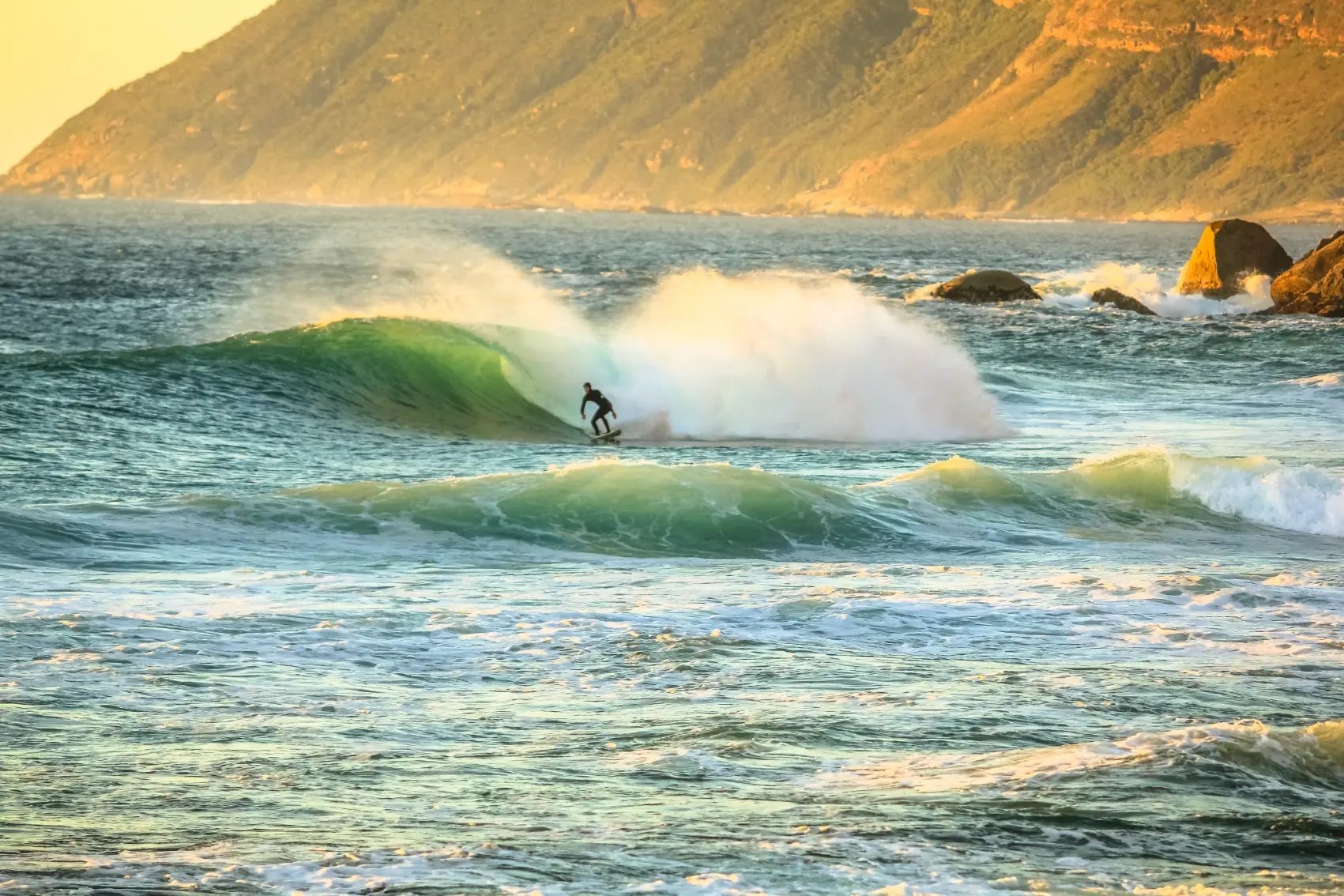
View of Noordhoek Beach, where powerful ocean swells and rugged coastal scenery create a paradise for surfers.
Surf and Sea Life: Timing Your Oceanic Adventures
The two oceans that meet at Africa’s tip - the cold Atlantic and the warm Indian - create a marine highway of staggering biodiversity.
Riding the Best Swells: A Surfer’s Calendar
For surfers, winter is the season of legends. Between June and August, consistent swells hit the coast, creating world-class breaks at Jeffrey’s Bay and Dungeons. The water may be colder, but the waves are bigger, cleaner, and more reliable.
The Sardine Run: Witnessing the Greatest Shoal on Earth
In June and July, billions of sardines migrate up the east coast. This "Sardine Run" triggers a feeding frenzy involving thousands of dolphins, sharks, and gannets. It is one of nature’s greatest spectacles, best experienced via boat tours from the KwaZulu-Natal coast.
Whale Watching: When the Giants Visit the Western Cape
From July to November, Southern Right whales migrate from Antarctica to the sheltered bays of Hermanus and Plettenberg Bay to mate and calve. You can often see them breaching from the shore. If you want the peak experience, aim for September, when the Hermanus Whale Festival takes place.
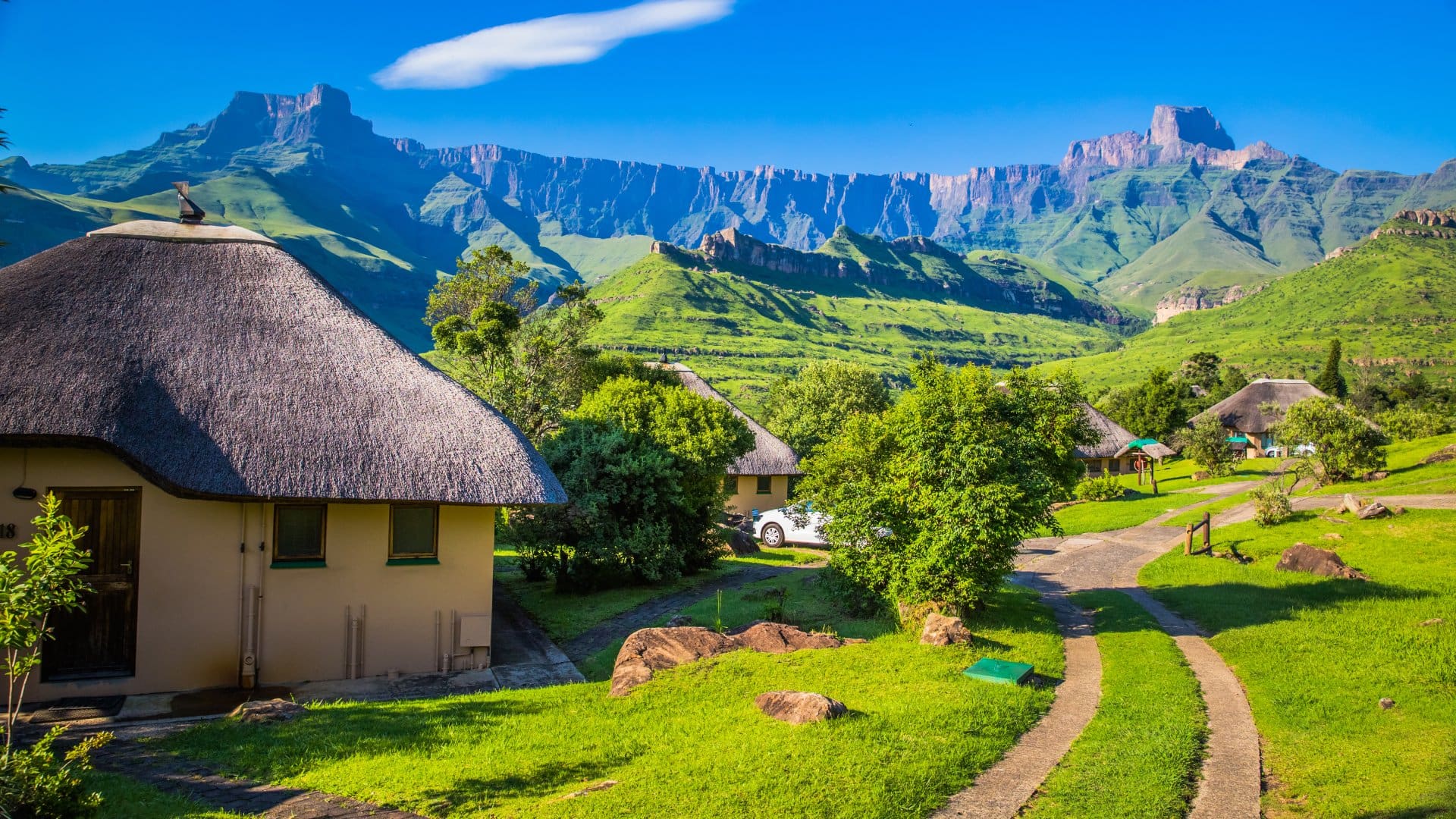
View of the Drakensberg Mountains, where towering cliffs and lush green valleys showcase some of the country’s spectacular scenery.
Regional Deep Dive: Where to Go When
The Garden Route: Finding the Sweet Spot
The Garden Route is temperate year-round and a great time to visit for outdoor activities, but it is at its most lush in October and November. You avoid the December holiday rush while enjoying weather that is warm enough for forest hikes and lagoon swims.
KwaZulu-Natal: Year-Round Subtropical Warmth
If you hate the cold, head to Durban and the North Coast. Even in the depths of July, the daytime temperatures hover around 20-25°C (68-77°F). It is the only part of the country where the ocean remains warm enough for swimming throughout the winter.
The Highveld vs. The Cape: A Tale of Two Climates
Remember: When Johannesburg (the Highveld) is having its rainy season (summer), Cape Town is dry. When Cape Town is rainy (winter), Johannesburg is bone-dry and sunny. If you are planning a multi-city trip, you will almost certainly encounter two different climates, regardless of the month.
Not sure when or where to go in South Africa? From safari timing and coastal weather to regional routing and seasonal experiences, Global Basecamps can help you design a fully custom itinerary tailored to how you want to travel.
👉 Start Planning Your South Africa Journey
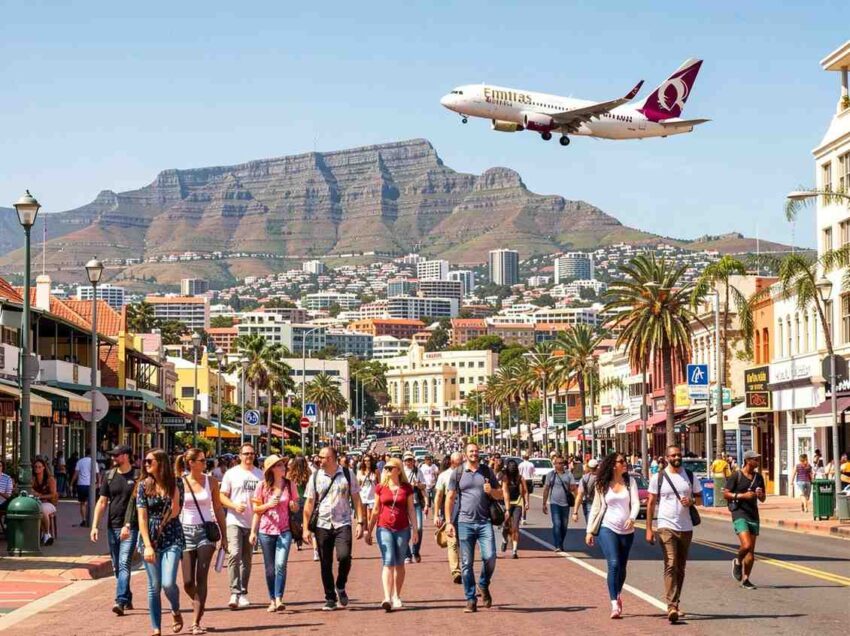
View of Cape Town, South Africa, where bustling city streets unfold beneath the iconic backdrop of Table Mountain.
Strategic Planning: Budget, Crowds, and Logistics
High Season vs. Low Season Costs
Cape Town High Season (December-January):
This is the busiest and most expensive time to visit Cape Town, the Winelands, and the Garden Route. Flights, hotels, and holiday rentals often sell out months in advance, particularly during the Christmas and New Year period. Booking 6–10 months ahead is strongly recommended.
Safari Peak Season (May-September):
Unlike Cape Town, safari destinations experience their highest demand during the dry season when wildlife viewing is at its best. Premium safari lodges and private reserves often fill well in advance during these months.
Shoulder Season (April-May, September-October):
Many experienced travelers consider these months the sweet spot. Weather is excellent across much of the country, crowds are lower, and availability tends to be better.
Value Season (June-August in the Cape):
While Cape Town experiences cooler, wetter weather, travelers can often find excellent value in the Western Cape. At the same time, safari regions remain extremely popular due to outstanding wildlife viewing conditions.
Packing Essentials for Multi-Climate Travel
The secret to South Africa is layers. Even in summer, a morning game drive is chilly.
The Essentials: A windproof jacket, comfortable hiking shoes, high-SPF sunscreen (the African sun is unforgiving), and "bush-colored" clothing (khaki/stone) for safaris to avoid attracting insects or startling wildlife.Actionable Scenarios: Which Season Fits Your Style?
If You Prioritize Wildlife Photography
There is no single "best" season for photography - it depends on what you're hoping to capture.
For classic safari photography and easier wildlife viewing, August and September are outstanding. Dry conditions, sparse vegetation, and dramatic dust-filled sunsets create iconic safari imagery.
However, many experienced photographers also intentionally travel during the green season (November through March). During this time, landscapes become lush and vibrant, migratory birds arrive in large numbers, wildflowers bloom, and dramatic storm clouds create spectacular backdrops for wildlife photography.
Each season offers a different photographic opportunity; the best choice depends on your priorities.
If You Are Traveling on a Tight Budget
Go in May, early June, or late October. These periods often provide an excellent balance of affordability, favorable weather, and good availability without sacrificing the quality of the experience.
If You Want the Ultimate Family Beach Vacation
For warm water, beach time, and family-friendly coastal experiences, consider Durban, the North Coast, the Wild Coast, or portions of the Eastern Cape between January and March. The Indian Ocean is at its warmest, conditions are ideal for swimming, and the holiday crowds of December have largely disappeared.
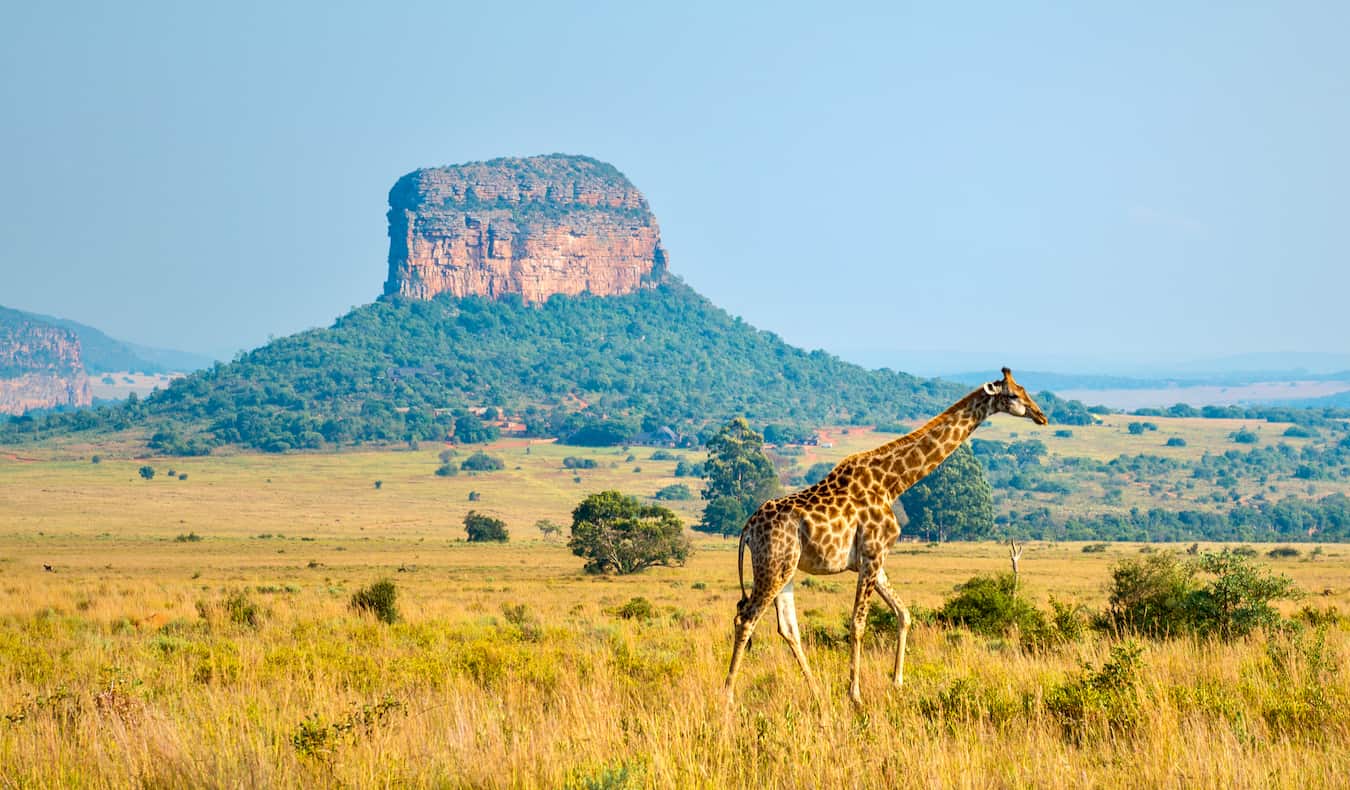
View of the South African savannah, where giraffes roam open grasslands framed by striking rock formations and endless horizons.
Final Thoughts: Embracing the Rhythm of the Rainbow Nation
There is no "wrong" time to visit South Africa, only different experiences. A rainy day in the Winelands offers a mood of introspection and intimacy that a scorching summer day cannot match. A winter safari offers a raw, primal connection to the land that the lush summer hides.
If you remain flexible and align your itinerary with the natural cycles of the region, South Africa will reward you. Whether you come for the flowers of spring or the whales of winter, the Rainbow Nation does not just welcome you - it changes you. Pack your bags with an open mind, a sturdy pair of boots, and the willingness to follow the sun.
Ready to experience South Africa for yourself? At Global Basecamps, we specialize in creating fully custom South Africa itineraries designed around your travel style, interests, and ideal time of year - from safari and wine country to coastal escapes and beyond.
👉 Start Planning Your South Africa Adventure