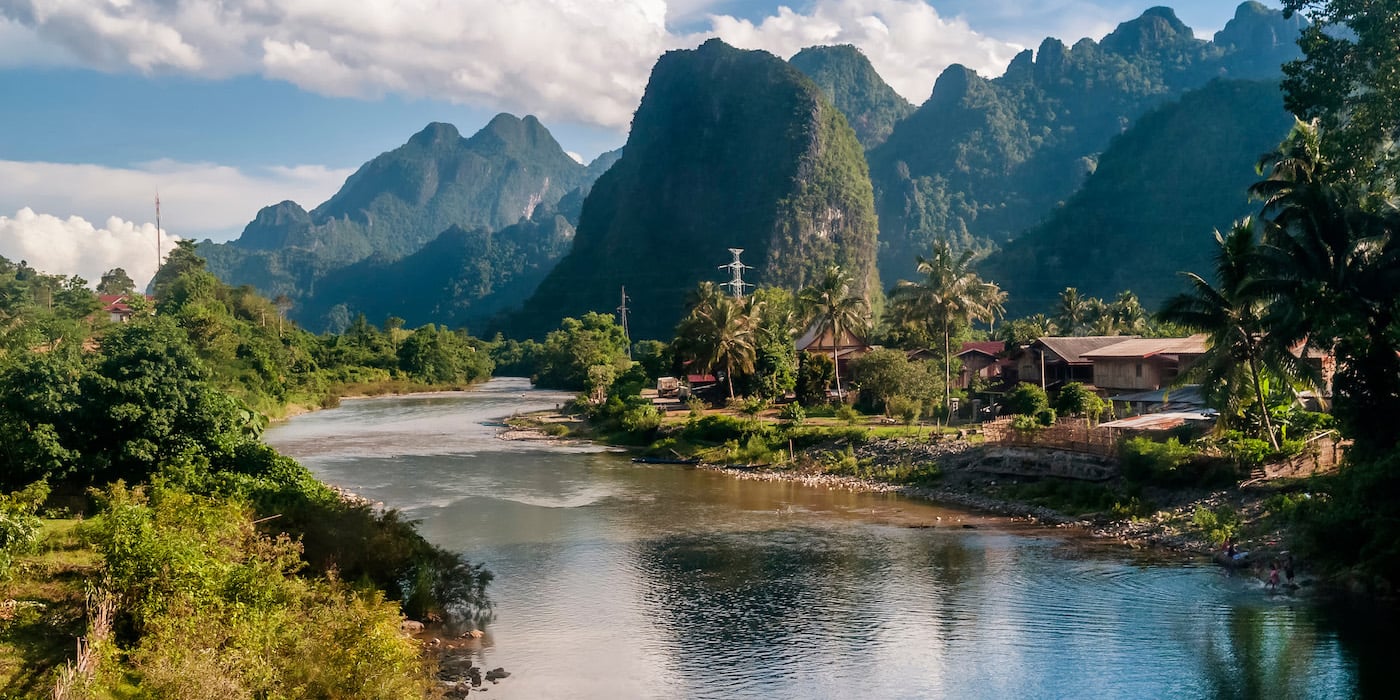
Laos is often described as Southeast Asia’s "slowest" country. It is a place where the clocks seem to tick to the rhythm of the Mekong River rather than the frantic pulse of global commerce. However, don't let the relaxed pace fool you; planning a trip here requires a bit of strategic foresight. Because Laos is landlocked and defined by rugged mountains, its seasons aren't just about temperature - they dictate whether a road is passable, whether a waterfall is a trickle or a torrent, and whether the air is crystal clear or thick with woodsmoke.
Ready to Start Planning? No matter when you choose to visit Laos, our travel specialists can help you select the ideal route, activities, and destinations based on the season and the type of journey you're looking for!
Understanding the Rhythms of the "Land of a Million Elephants"
To understand Laos, you must understand its geography. This is a country shaped like a lung, breathing in the moisture of the monsoon and exhaling it during the long, dry winters. Historically known as Lan Xang - the Land of a Million Elephants - Laos operates on a tropical monsoon climate.
Unlike its neighbors, Laos lacks a coastline to temper its weather. This means the highs are higher and the lows can be surprisingly chilly. The year is essentially split into two dominant acts: the dry season (the sun-drenched "high season") and the wet season or rainy season (the lush "green season"). In between, there are transitional periods that offer both unique opportunities and specific challenges for the uninitiated traveler.
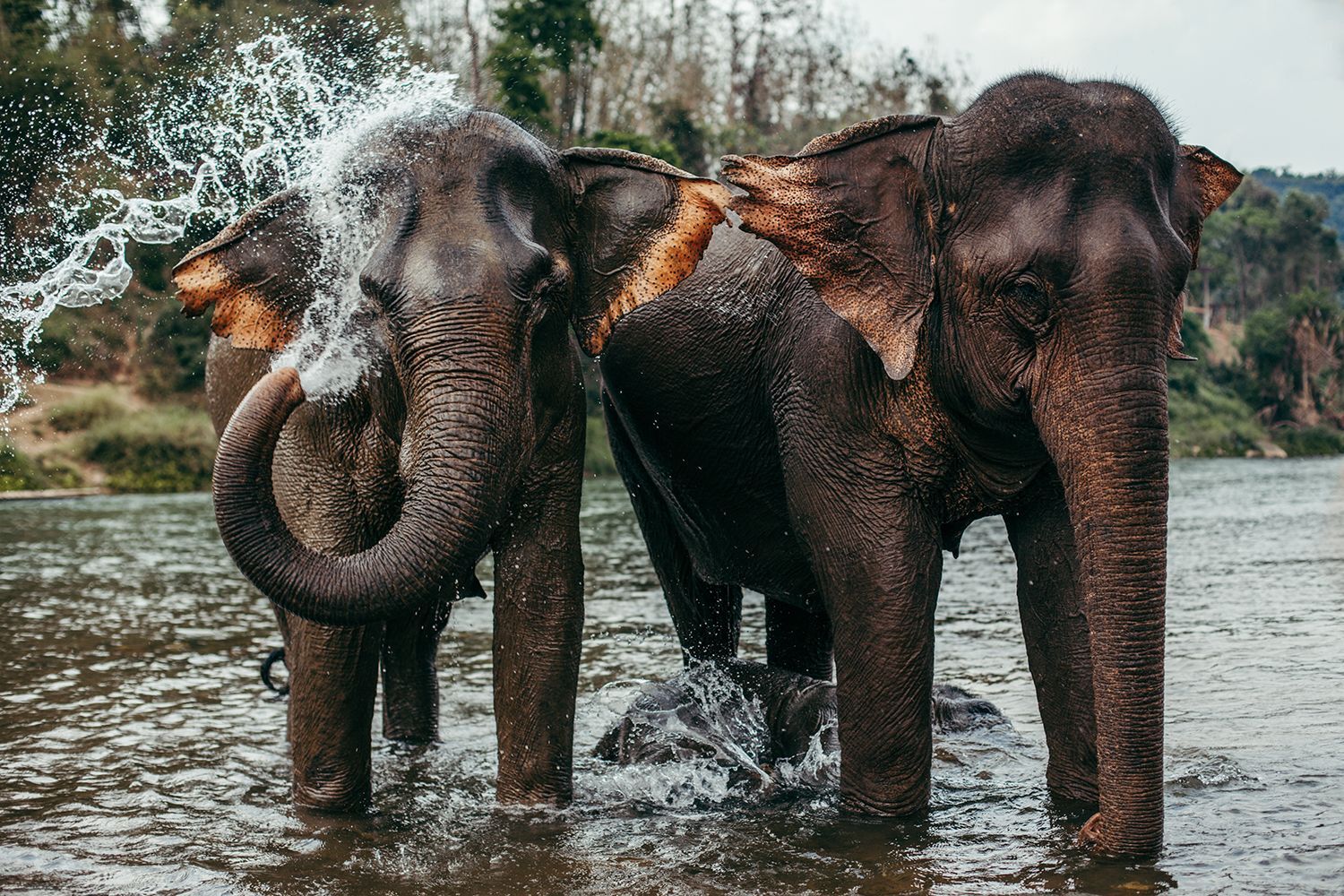
Two elephants splashing in a river surrounded by the lush forest of Laos.
The Golden Rule of Lao Travel: Weather vs. Experience
The most common mistake travelers make is choosing their dates based solely on a weather app. If you only look for "sunny and 75°F," you’ll end up in Luang Prabang in January alongside every other tourist in Asia.
The Golden Rule of Lao travel is this: Match your itinerary to the landscape’s current state. If you want to tube through caves in Vang Vieng or trek the northern highlands near Phongsaly, the dry season is your friend. But if you want to see the "4,000 Islands" (Si Phan Don) in their full, watery majesty or photograph rice paddies that glow with an almost neon green hue, you must embrace the rain. Every season in Laos is a trade-off between comfort and character.
Discover Laos Your Way
Whether you're dreaming of temple-lined streets, Mekong River journeys, mountain trekking, or remote cultural encounters, the key to a great Laos trip is matching the experience to the season. Our Laos itineraries are designed to help you experience the country at its very best, no matter when you travel.
👉 Explore Laos with Global Basecamps
The Dry Season (November to February): Peak Perfection
Why this is the most popular time to visit
This is the "Goldilocks" window. The rains have retreated, leaving behind a landscape that is still green but no longer muddy. The humidity drops, and the air becomes crisp. For those coming from northern climates, the Lao winter feels like a perfect summer’s day - warm enough for a t-shirt at noon, but cool enough for a light jacket once the sun dips behind the limestone karsts.
Key highlights: Luang Prabang and the Mekong River
During these months, the Mekong is at its most navigable. The water levels are high enough for the popular slow-boat journey from the Thai border to Luang Prabang, a two-day odyssey that is a rite of passage for many. In Luang Prabang itself, the night markets are vibrant, and the morning mist clings to the gilded roofs of the temples (Wats), creating a scene that looks like a watercolor painting come to life.
A word on the "Cool Season" crowds
The secret is out. During December and January, Luang Prabang and Vang Vieng can feel crowded. Boutique hotels book up months in advance, and the prices for guesthouses can double. If you value solitude, this is the time to head further afield - perhaps to the Bolaven Plateau in the south or the remote villages of the northeast - to escape the concentrated tourist trail.
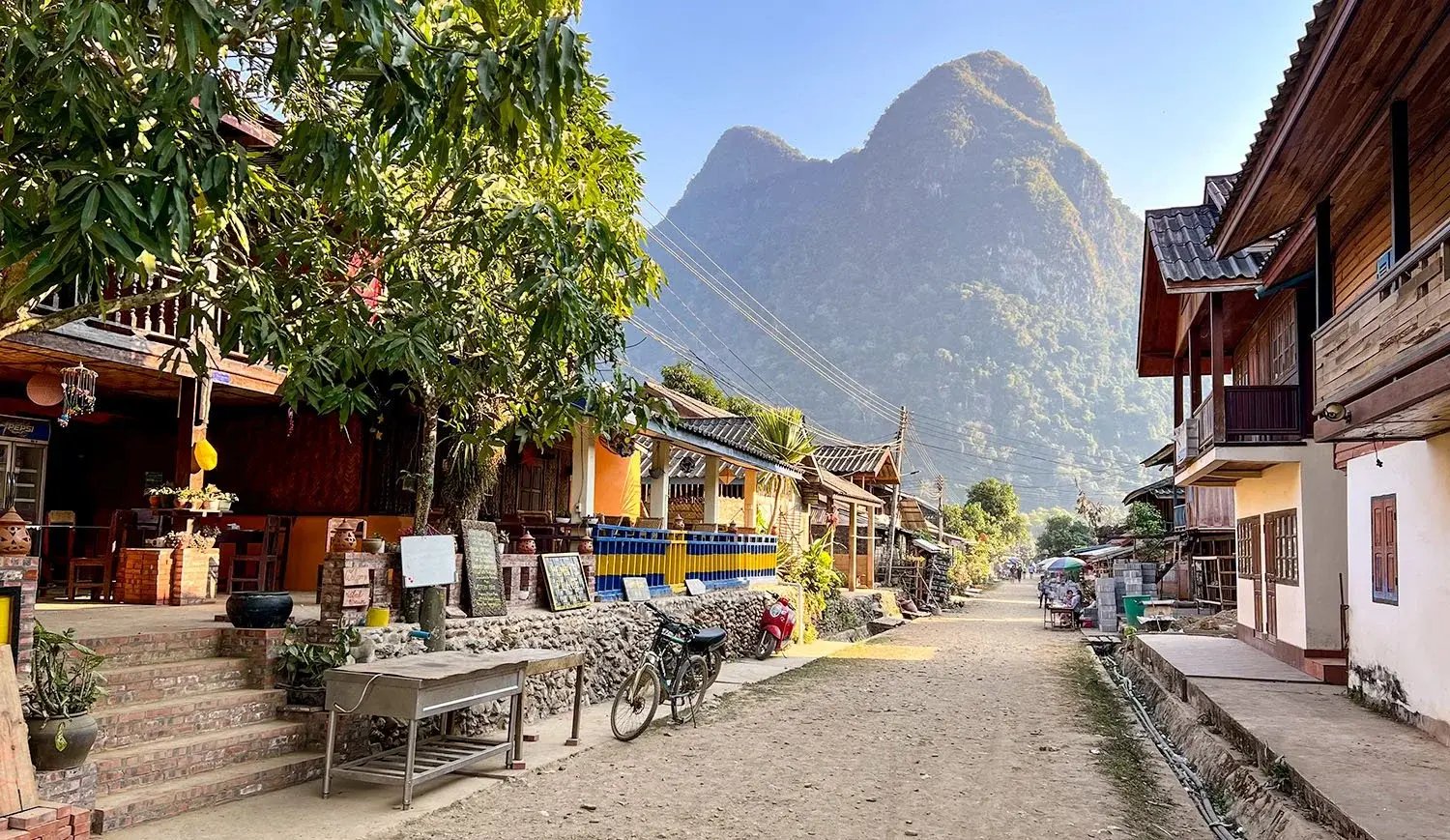
A quiet village street in Luang Prabang lined with wooden guesthouses beneath towering limestone mountains.
The Burning Season (March to April): What You Need to Know
As the cool air fades, the heat ramps up significantly. March and April are the hottest months, with temperatures frequently soaring above 100°F (38°C). This period is also known as the "burning season," as farmers across the region clear land for the next planting cycle.
Managing the heat and air quality
The sky can turn a hazy white during these months, and the views of the mountains may be obscured by smoke. For travelers with respiratory issues, this isn't the ideal time to visit. To manage the heat, follow the local lead: do your exploring at dawn, retreat to an air-conditioned cafe or a shaded riverbank during the afternoon, and emerge again when the sun begins to set.
Pi Mai: Celebrating the Lao New Year
Despite the heat, mid-April offers one of the most incredible cultural experiences in Asia: Pi Mai, the Lao New Year. This is a multi-day water festival where the entire country erupts into a giant, joyful water fight. It’s a symbolic cleansing to wash away the previous year’s bad luck. If you are in Luang Prabang during Pi Mai, expect to get soaked - and expect to see the most hospitable side of Lao culture as locals invite you to join their roadside feasts.
The Wet Season (May to October): The Emerald Reward
By late May, the clouds gather, and the first heavy downpours arrive. Many travelers avoid this period, fearing "monsoon" means constant rain. In reality, it usually means a massive, refreshing afternoon deluge followed by sunshine.
Why the "Green Season" is a photographer’s dream
This is when Laos truly earns its reputation for natural beauty. The dust of the burning season is washed away, and the flora explodes. The rice terraces of the north turn a brilliant, shimmering green, and the waterfalls - like the famous Kuang Si - become thunderous and powerful. The light after a rainstorm is soft and golden, perfect for capturing the soul of the landscape.
Travel Logistics: Navigating muddy roads and boat travel
Be warned: Laos’s infrastructure is still developing. In the wet season, unpaved roads in rural areas can become impassable quagmires. Bus journeys that normally take four hours might take eight. However, the rivers become the highways. This is the best time for river travel in the south, where the Mekong expands to its widest point.
The best regions for monsoon exploration
Focus on the southern provinces like Champasak and the fertile Mekong River Valley. The Bolaven Plateau is stunning in the rain, with its coffee plantations and dramatic cliffs. Vientiane, the capital, is also a great wet-season destination, as its paved streets and high-end cafes provide plenty of shelter from the storms.
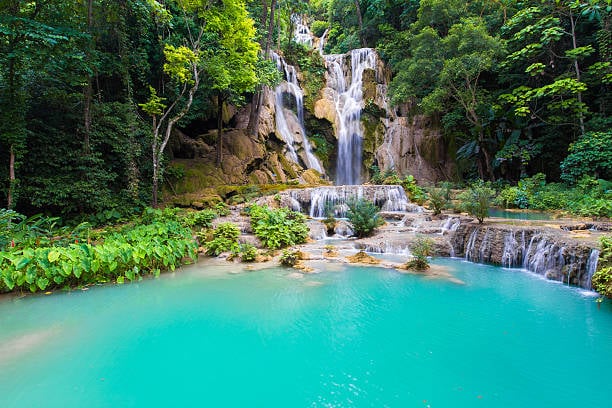
The turquoise jungle waterfall Kuang Si cascading into a bright blue pool surrounded by dense tropical greenery.
Experience Southern Laos at Its Most Beautiful
From the waterfalls and coffee plantations of the Bolaven Plateau to the laid-back charm of the Mekong River, Southern Laos offers some of the country's most rewarding experiences.
👉 Explore Luang Prabang & Southern Laos
A Month-by-Month Breakdown of Laos
January and February: Festival fever and blue lagoons
Ideal for outdoor activities and attending religious ceremonies like Boun Pha Vet. The lagoons in Vang Vieng are a deep, clear turquoise. Don’t miss the Wat Phou Festival in the south (usually February) or the That Luang Festival in Vientiane, both serving as massive pilgrimages to ancient temple complexes.
March and April: The peak of the heat
Best for those who love the heat and want to experience the New Year festivities. Stick to river towns where you can easily find a breeze.
May and June: The transition to rain
The humidity rises and the sky fills with smoke from the Rocket Festival (Boun Bang Fai), but the crowds vanish. You can find great deals on luxury accommodation during these "shoulder" months.
July and August: Waterfalls at full force
The peak of the rains. The jungle is alive, and the waterfalls are at their most dramatic. Pack high-quality rain gear and a sense of adventure.
September and October: The end of the Buddhist Lent
The rain begins to taper off as the country celebrates Boun Ok Phansa. Boun Suang Heua (boat racing festivals) take over the riverfronts. The atmosphere is celebratory and the landscape is at its lushest.
November and December: The return of the harvest
Harvest season begins, turning the green fields to gold. The weather is perfect, making it the prime time for multi-day trekking to visit remote hill tribes in the northern mountains.
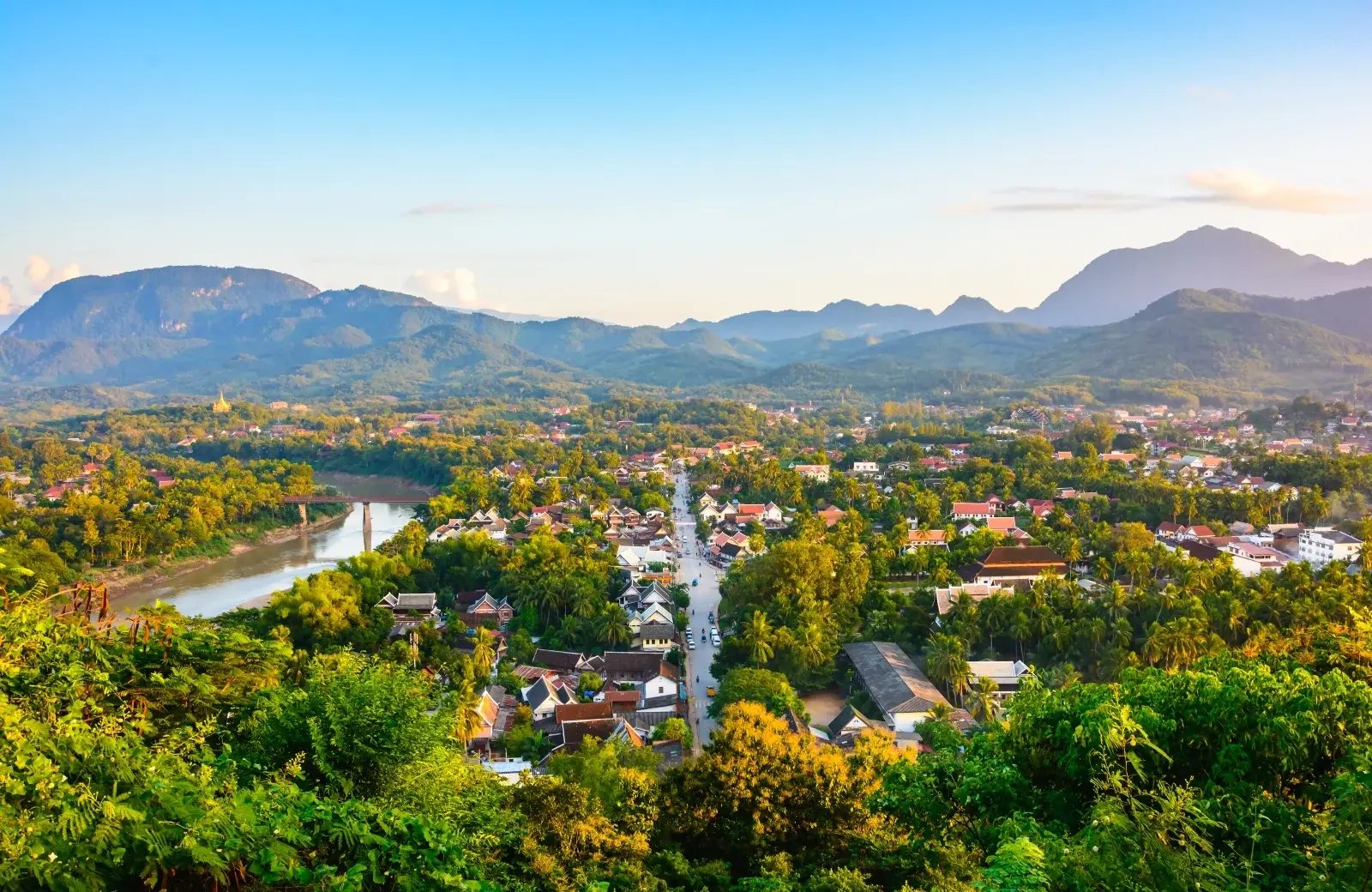
A panoramic view of Luang Prabang with a winding river, green hills, and mountains in the distance.
Ready for Adventure?
The cooler months are an excellent time to experience Laos' mountains, rivers, caves, and rural communities. If you're looking for a more active itinerary, our adventure-focused journey showcases the country's incredible diversity.
Responsible Tourism: Visiting Laos with Intent
Supporting local communities during the off-season
Visiting during the "low" wet season is actually an act of responsible tourism. It provides a steady income for local guides and family-run guesthouses who often struggle when the peak-season crowds disappear. Your tourist dollar goes much further in August than it does in January.
The ethics of Almsgiving (Tak Bat)
In Luang Prabang, the daily Almsgiving ceremony is a sacred tradition. Regardless of the season, participate with respect. Keep a distance, dress modestly (shoulders and knees covered), and avoid using flash photography. If you wish to offer food, buy it from a local market rather than street vendors targeting tourists, ensuring the monks receive high-quality sustenance.
Protecting the environment in Vang Vieng and beyond
Laos is a fragile ecosystem. In the wet season, runoff can carry plastic waste into the rivers. Be diligent about your plastic use. Carry a reusable bottle and support businesses that participate in the "Refill Not Landfill" program. When trekking, stick to established paths to prevent soil erosion during the muddy months.
Practical Planning Tips for Every Season
Packing essentials for humidity and cold mountain nights
If you’re heading north in the dry season, you must pack a fleece or a light down jacket. Temperatures in places like Nong Khiaw can drop to 40°F (5°C) at night. Conversely, for the wet season, prioritize quick-dry fabrics over cotton, which will never dry in the humidity.
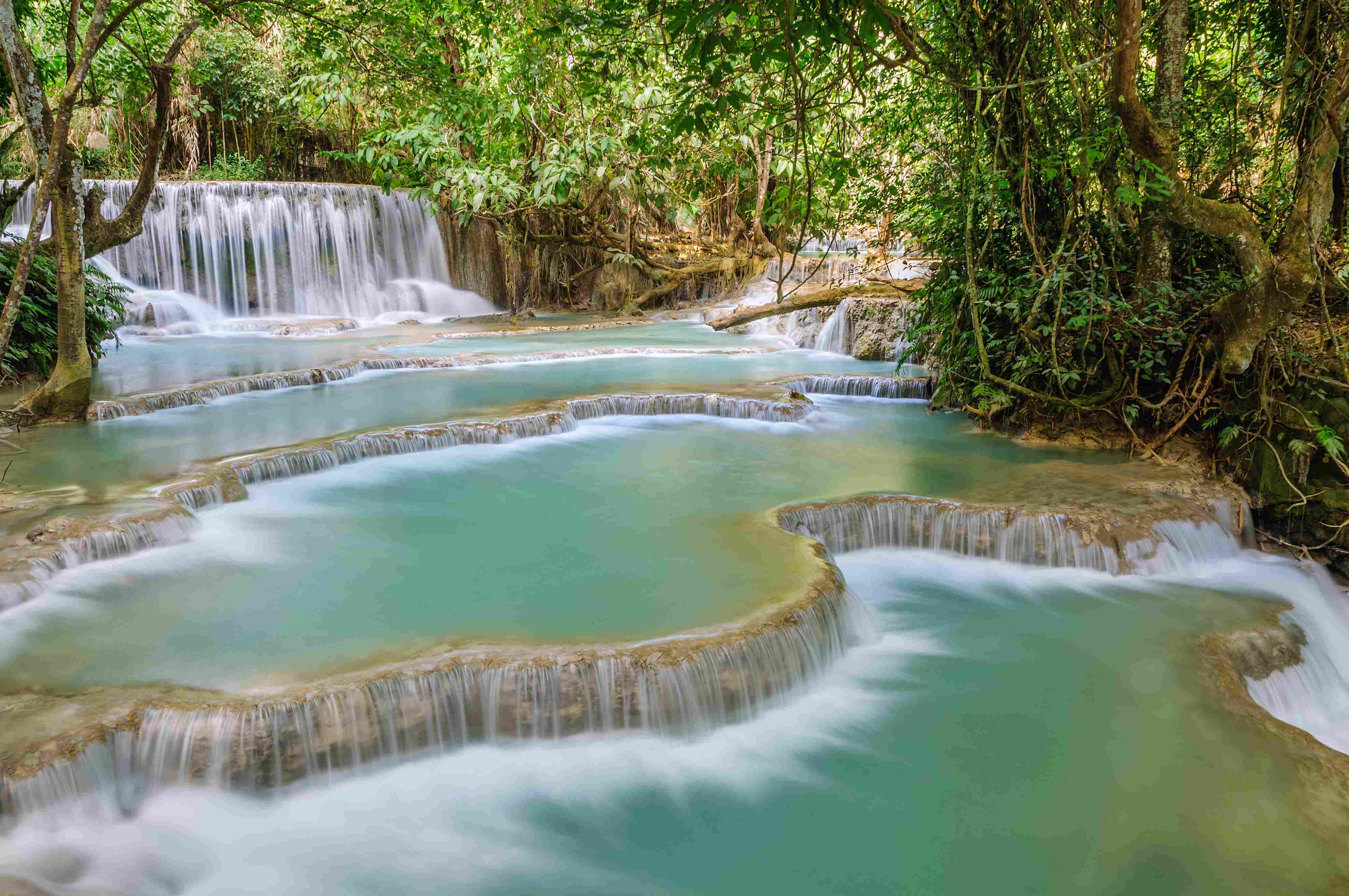
View of Kuang Si waterfall cascading through tiered turquoise pools in a lush forest near Luang Prabang, Laos.
Final Thoughts: When is the "Best" Time for You?
If you want the easiest logistics and the most comfortable weather, the best time to visit Laos is to aim for November or December. But if you want to see the soul of the country - the thundering water, the emerald fields, and the quiet resilience of the Lao people - consider the Green Season.
Laos is not a destination to be checked off a list; it is a place to be felt. Whether you are shivering in the mountain mist of January or dancing in a New Year’s downpour in April, the "best" time is simply whenever you are ready to slow down and let the Mekong lead the way.
Ready to Plan Your Laos Journey?
Whether you're looking for luxury river cruises, cultural immersion, remote wilderness, or a comprehensive introduction to the country, Global Basecamps offers a range of thoughtfully designed Laos itineraries.